




Every year at CES, the Consumer Electronics Show, companies from around the world showcase innovations that will reach the market in the coming months. This year was no exception, with a strong presence of medical technologies, from AI assistants and robots to smart scales and EEG headphones. We have selected the most interesting innovations.
Robots for everything, including surgery
Many claim that 2026 will mark the beginning of the era of robotics, and CES seems to confirm it. Robots of every kind were on display, from warehouse robots and companion robots to machines that pick up toys, box, dance, and help with household chores. This year, the first household robot servant, Neo, is expected to enter homes. Elon Musk has announced that his Optimus robot will achieve the capabilities of the best surgeons by January 2029.
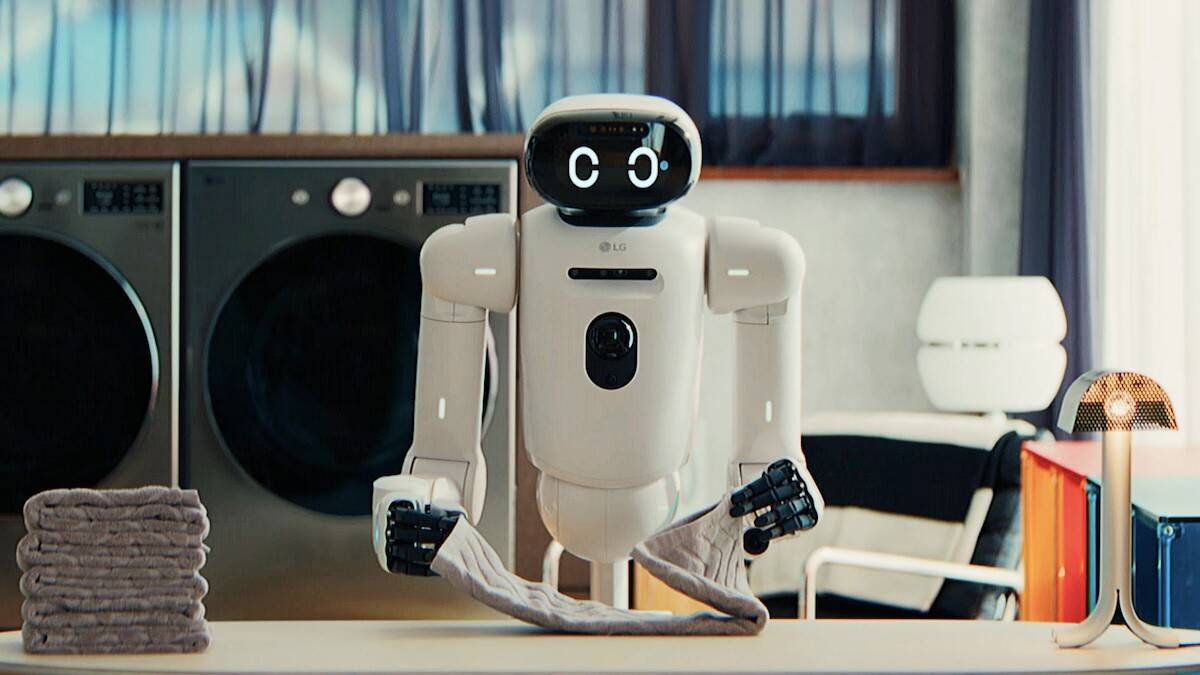
AI is giving robots new capabilities, but they remain far from human manual dexterity. Watching LG’s CIOiD fold laundry can test one’s patience and raise doubts about how far robotics has truly progressed.
EEG headphones
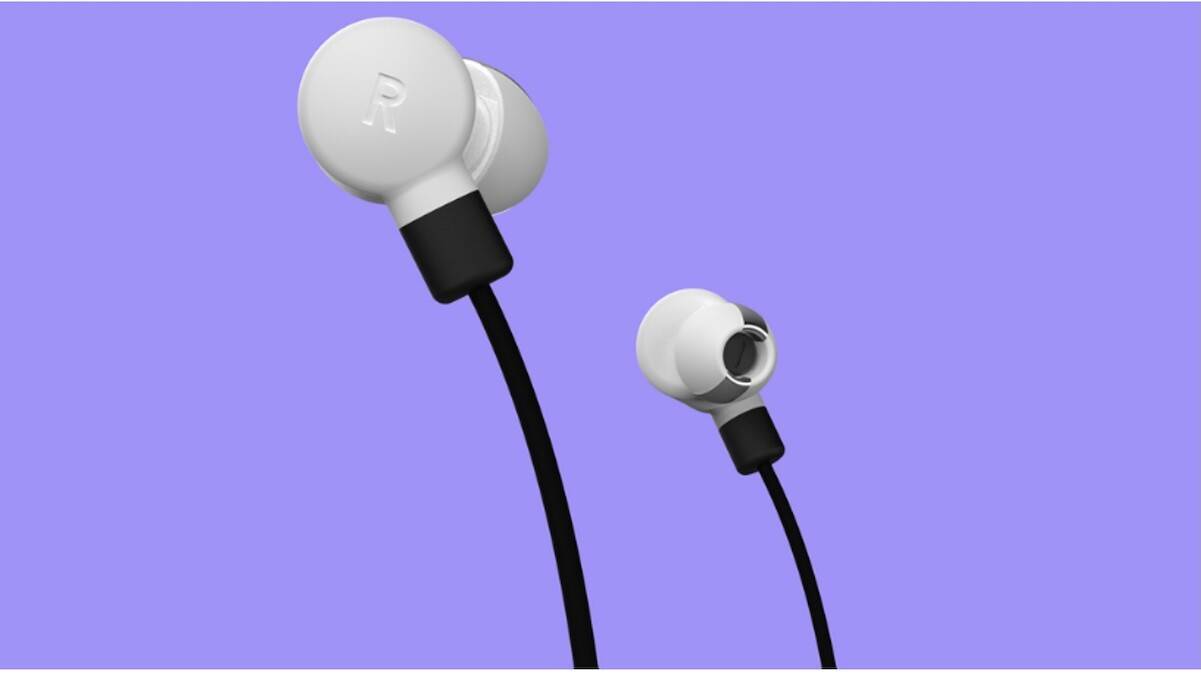
French startup NAOX has unveiled headphones with a built in electroencephalograph, a device used to measure brain activity. One model is designed for healthcare centers and aims to replace the wire covered caps typically used for EEG exams. It is intended to offer a more comfortable form of testing, especially when continuous brain monitoring is required.
The second version, NAOX Wave, is a wireless headset for consumer use. It monitors brain activity during sleep, work, and relaxation. This makes it possible to gain insights into mental health, analyze sleep in depth, measure cognitive performance, and estimate the biological age of the brain. Smart bands and smartwatches have tracked biomarkers such as heart rate, blood pressure, and VO2max for years. Now attention is turning to monitoring brain activity.
Synchronizing brain waves to fall asleep quickly
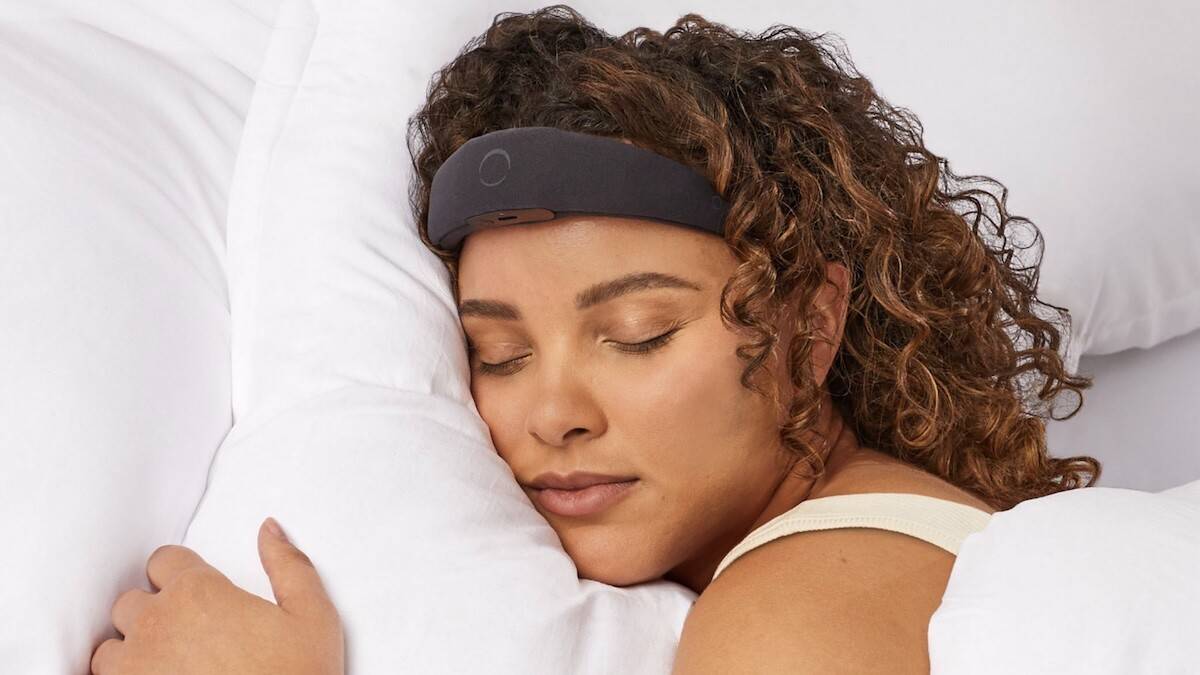
Startup Elemind, founded by scientists from the Massachusetts Institute of Technology, has developed a headband that uses acoustic stimulation to help users fall asleep. Powered by artificial intelligence, the device reads brain waves in real time and delivers precisely synchronized acoustic pulses to induce sleep.
Sleep Tailor learns individual sleep patterns over time and becomes more effective with each use. In one study, the time needed to fall asleep was reduced by an average of 74%. According to the company, data from thousands of users shows that they fell asleep in an average of 11 minutes. Elemind not only helps users fall asleep, but also supports falling back asleep after waking during the night.
A scale like a small health laboratory
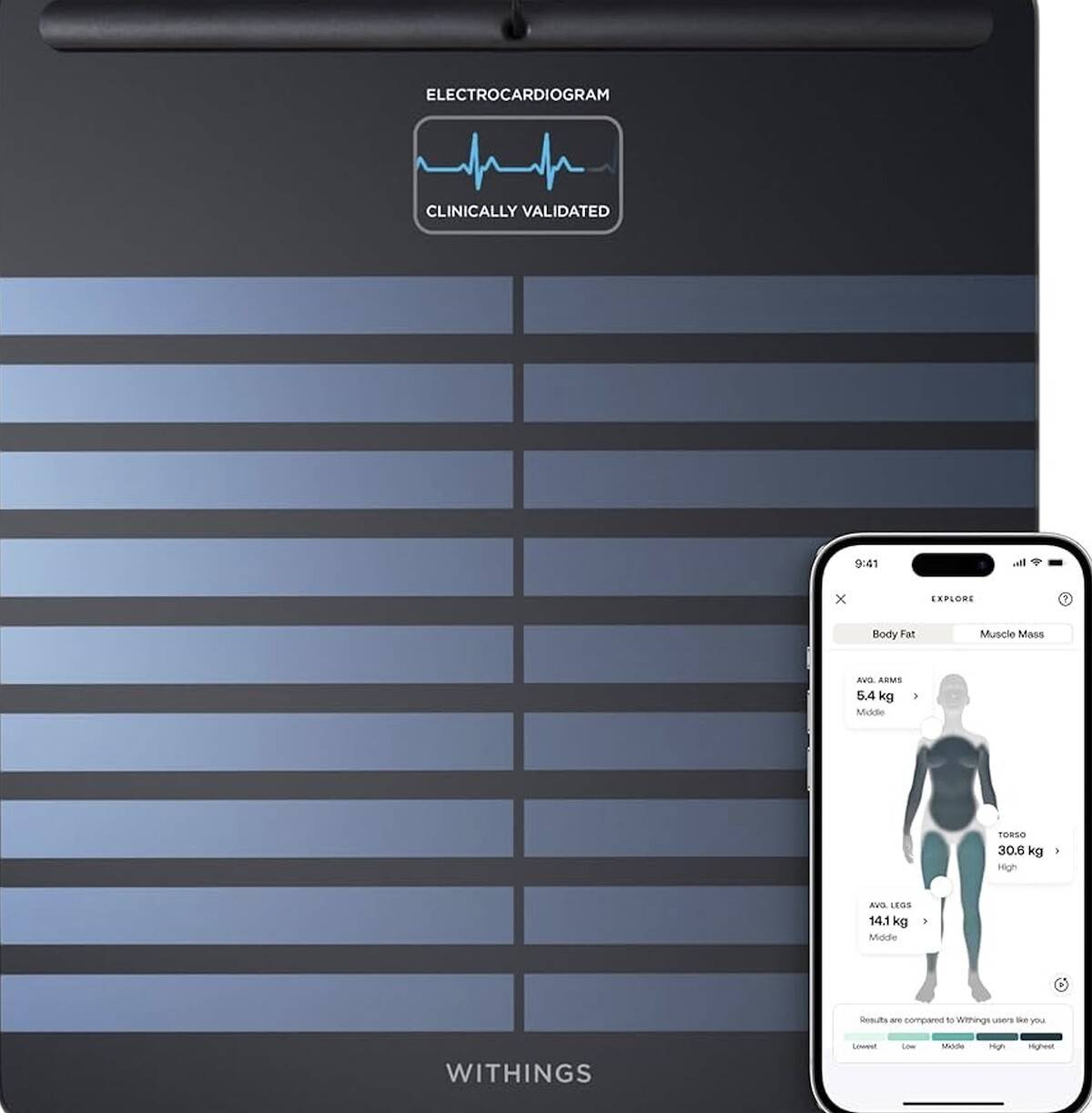
Withings Body Scan 2 looks like a regular scale, but in 90 seconds it measures 60 health biomarkers and performs a segmental analysis of body composition, including muscle mass and fat distribution. It also assesses cardiovascular health and provides warnings about high blood pressure.
The accompanying app calculates a Health Trajectory, a personalized predictive model that helps track and visualize how daily choices influence healthy lifespan. Body Scan 2 also examines metabolism at the cellular level to detect early signs of metabolic slowdown or inflammation. The device is promoted as a science based longevity station.
Your health agent Qira
The year 2025 was widely described as the year of AI agents. That did not materialize, but 2026 may finally bring personal AI coaches for nearly everything, including health. One example is the Lenovo Qira AI assistant presented at CES.
It integrates data from smart devices such as smartwatches and fitness bands, as well as mobile applications, asks follow up questions, and provides practical health guidance on diet, exercise, and rest. Much of the data people collect today remains unused. AI agents like Qira AI aim to change that.

Smart skin protection
Skin care is most often limited to a single cream used daily, which we choose based on advertisements or a general assessment: dry or oily skin. But the skin is a living organism that has different needs every day depending on our lifestyle, physical activity, UV radiation, and age.
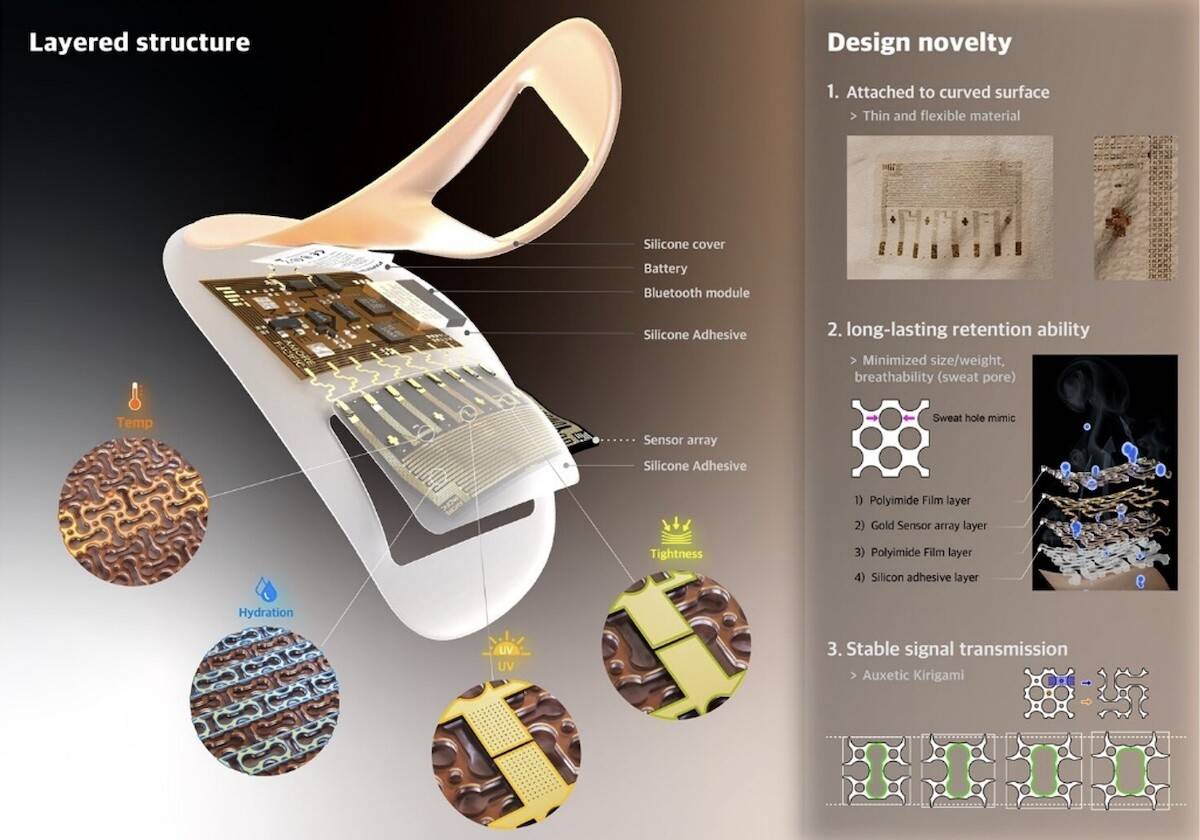
Developed in collaboration with MIT, SkinsightTM is an electronic platform for precise monitoring of the skin aging process, consisting of a patch packed with sensors and an AI-powered mobile app. Thanks to a tension sensor, the device measures skin deformations at the micron level. Others monitor UV radiation, temperature, humidity, and mechanical deformations. Data transmitted via Bluetooth allows skin health to be measured 24 hours a day. Artificial intelligence then identifies the dominant factors in the skin aging process and models their impact. The system predicts the location and degree of future aging, recommends skin care products and ways to care for the skin.
Home hormone testing as easy as taking your temperature
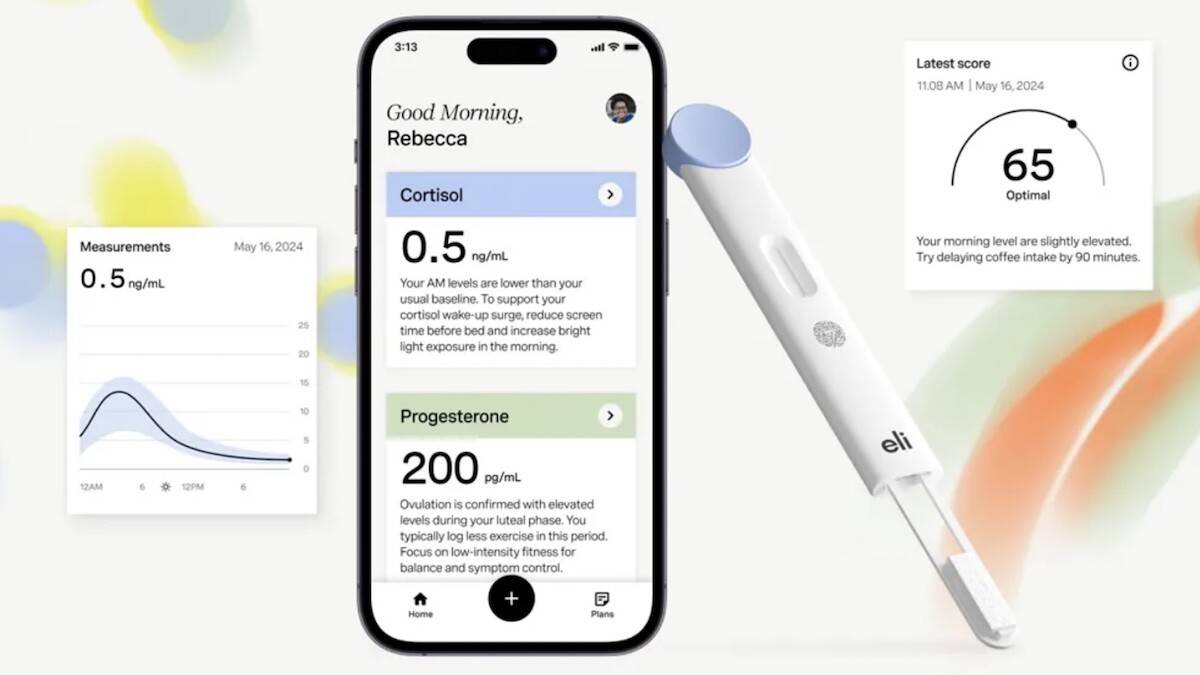
In the past, the most you could do at home was take your temperature, but today you can monitor health parameters that used to require a visit to a medical laboratory and a few days' wait for the results. Thanks to Eli Health Hormometer, you can now also monitor your hormone levels non-invasively.
To start with, the company is launching a strip test for cortisol levels. How does it work? Based on a saliva sample, a line appears on the device, similar to the ones we know from COVID tests. Then you need to take a photo, and the app will take precise measurements. The whole process takes about 20 minutes, and the results are as accurate as a laboratory test.
Why test cortisol levels? Cortisol levels affect mood, immunity, sleep, fertility, metabolism, and overall well-being. Of course, the app provides personalized tips for lifestyle changes.
Luxury massage robot
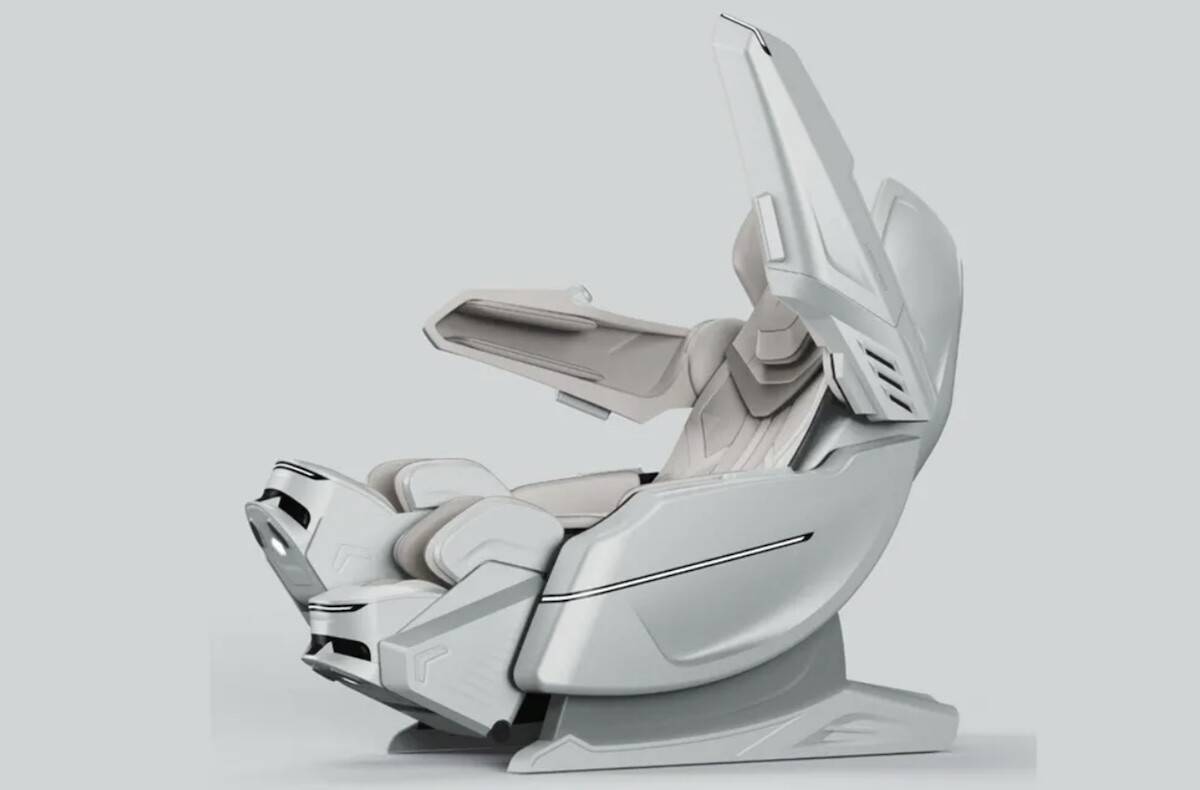
It was one of the strangest innovations at CES 2026. A large stand featured yellow and red blue armchairs that looked like characters from a Transformers movie and stretched the arms and legs of people lying in them in every direction.
The Bodyfriend Standing Rovo SR 733 is a 20,000 dollar rehabilitation and therapeutic massage chair that won this year’s CES award in the Digital Health category. Its key feature is the independent movement of the arms and legs by up to 96 degrees, allowing it to simulate walking motions, resistance, and stretching exercises. This sets it apart from traditional massage chairs that mainly rely on vibration.
The device offers 50 massage and exercise programs that can be selected and customized via an app. An AI advisor analyzes body characteristics and recommends the most suitable program. The chair also monitors biometric parameters and can be integrated with a wireless ECG. According to the manufacturer, it is designed for luxury wellness clinics and rehabilitation centers.
Glasses from a vending machine
Buying new glasses is usually a lengthy process. You need to schedule an appointment with an optometrist or optician and undergo an eye exam to get a prescription. While this is manageable in large cities, access to eye care can be difficult in rural areas.
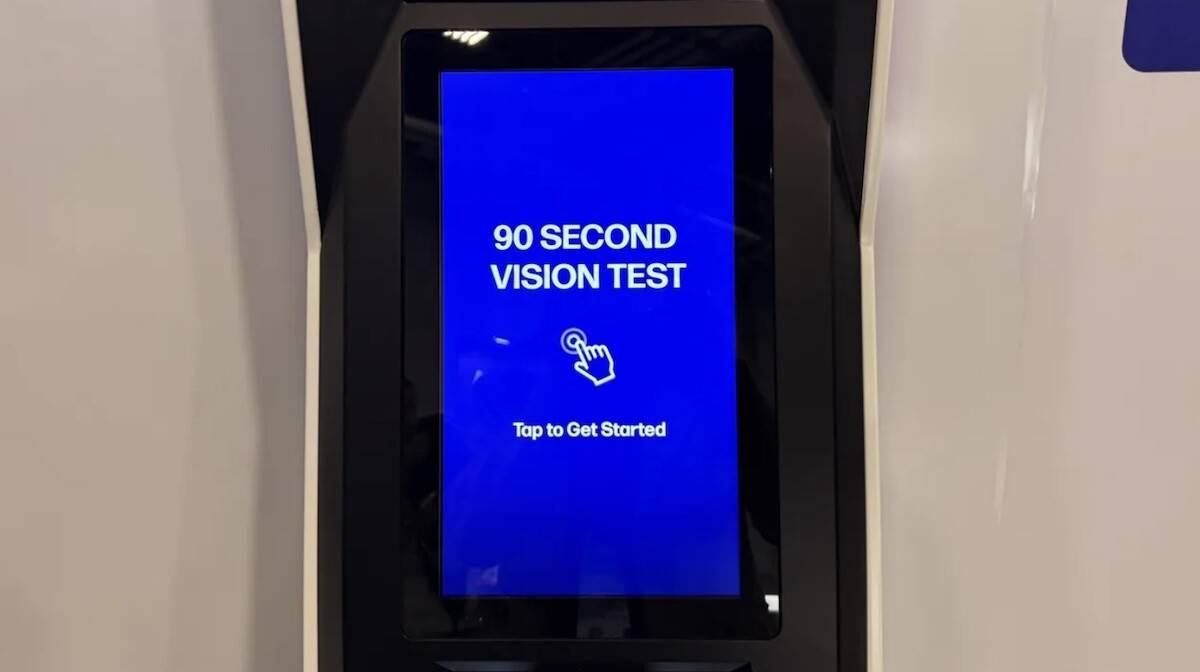
Eyebot aims to make eye exams possible in just 90 seconds at a shopping mall. A self service kiosk uses wave technology to assess eye health. After the test, a licensed optometrist reviews the results remotely, and the patient receives a prescription by mail or electronically. The company’s mission is to make buying glasses as easy as buying shoes.
On-the-go detection of allergens in food
Around 220 to 550 million people worldwide suffer from food allergies, a number that has been rising for decades. Allergies affect roughly 1 to 10 percent of the general population and are more common in children, with up to 8 percent affected under age five, compared with around 4 percent or more in adults. For these individuals, eating outside the home is always risky because they cannot be certain whether a dish contains dangerous allergens.
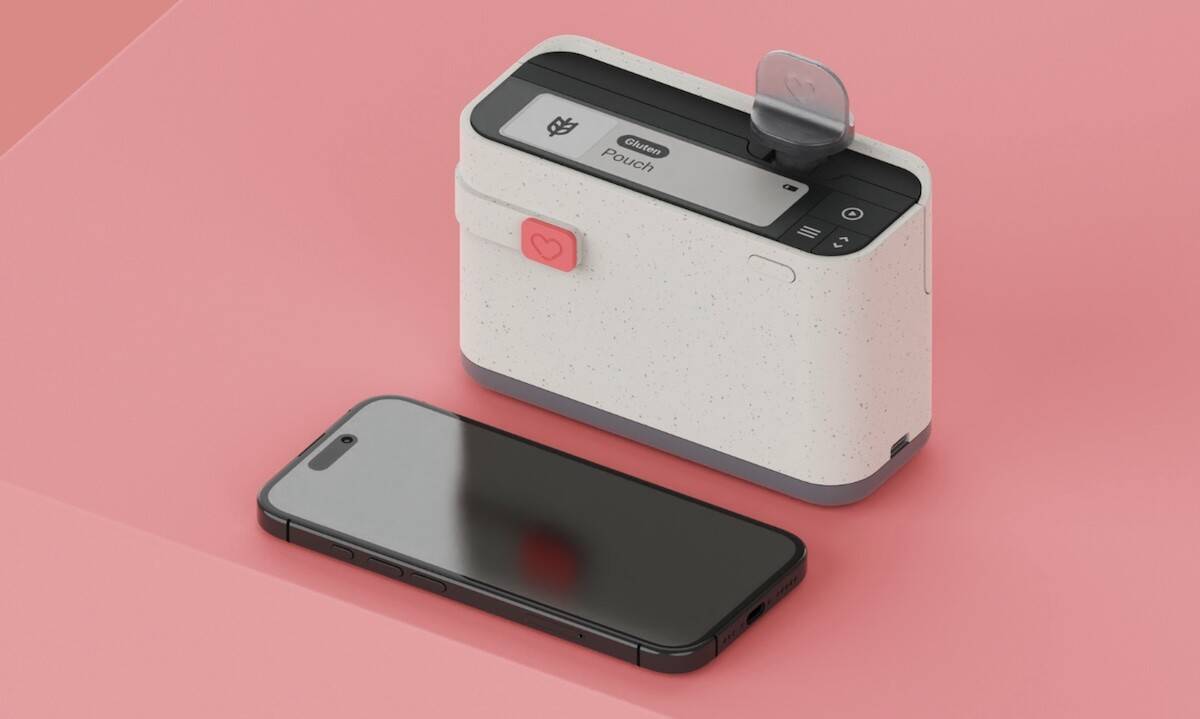
Allergen Alert is a mobile laboratory designed for allergy sufferers. It is small enough to fit in a purse. At a restaurant, a user simply places a food sample in a disposable bag, presses a button, and within two minutes the screen shows whether the dish contains allergens. Currently, the device tests for gluten and dairy, with plans to expand to other allergens.

Add ICT&health on Google
Show more content from ICT&health in Google Search.


