

First a photo, then an AI-driven analysis, followed by dietary advice and warnings about blood in the stool. This is how Kohler Health’s new device works. Smart toilets may sound amusing, but they could become one of the simplest, cheapest, and most effective ways to detect serious diseases at an early stage.
Tabu that kills
The statistics are alarming. Colorectal cancer (CRC) is the third most common cancer globally, causing over 900,000 deaths annually. Prevalence continues to rise, yet many patients see a doctor too late for effective treatment. Symptoms such as blood in the stool, persistent diarrhea, or constipation are easy to ignore, and preventive check-ups are still performed far too infrequently.
For years, healthcare systems have been searching for widely accessible screening methods, ideally ones that can be used at home. COVID-19 can now be diagnosed with an easily available test, while suspicious moles can be assessed using smartphone photos and an app. Detecting intestinal problems, however, remains far more complicated. Stool tests usually require a doctor’s visit and laboratory analysis, which many people find uncomfortable and therefore postpone until serious symptoms appear.
When the first smart toilet seats entered the market a few years ago, discussions about their health potential were quickly overshadowed by concerns about surveillance, loss of privacy, and excessive control. To this day, innovations in this field face strong resistance. The reason is obvious: technology is entering one of the most intimate areas of daily life. Yet it does for the sake of better health.
Valuable data from bodily waste
Urine and feces contain a wealth of information. Their composition can reveal diseases of the digestive and urinary systems, as well as certain systemic conditions, often at a very early stage, before noticeable symptoms occur.
In October 2025, Withings, known for its smart scales and wearables, brought U-Scan onto the market. It’s a sensor resembling a toilet block that analyzes metabolites – chemical compounds produced by the body’s metabolic processes. It can measure, among other things, ketone levels, vitamin C, acidity, and calcium. Combined with other data, users receive recommendations on hydration, nutrition, and lifestyle.
U-Scan is positioned as a lifestyle device. The manufacturer has not pursued medical certification, which is costly and requires extensive clinical trials. This cautious market entry strategy is common among innovators seeking to bypass the strict regulatory requirements currently in place in the EU.
Camera, photo, analysis
Still, the toilet will eventually become a kind of home mini-laboratory. It is, after all, where particularly meaningful health data can be collected. Kohler Health is taking a step in this direction with a device that uses a camera to photograph stool, assess gut health, and provide nutritional guidance. More importantly, it can detect blood in the stool – a potential indicator of serious disease.
Mounted on the rim of the toilet bowl, the device prioritizes privacy: the camera is activated via fingerprint identification. The Dekoda sensor detects movement, illuminates the stool, and captures an image. A dedicated AI model, trained on 1.2 million data points, analyzes the image and transmits the results to a mobile app via Bluetooth. Users can review information on gut health, frequency of toilet visits, hydration and nutrition tips, and alerts about hidden blood in the stool. In such cases, the app recommends consulting a physician.
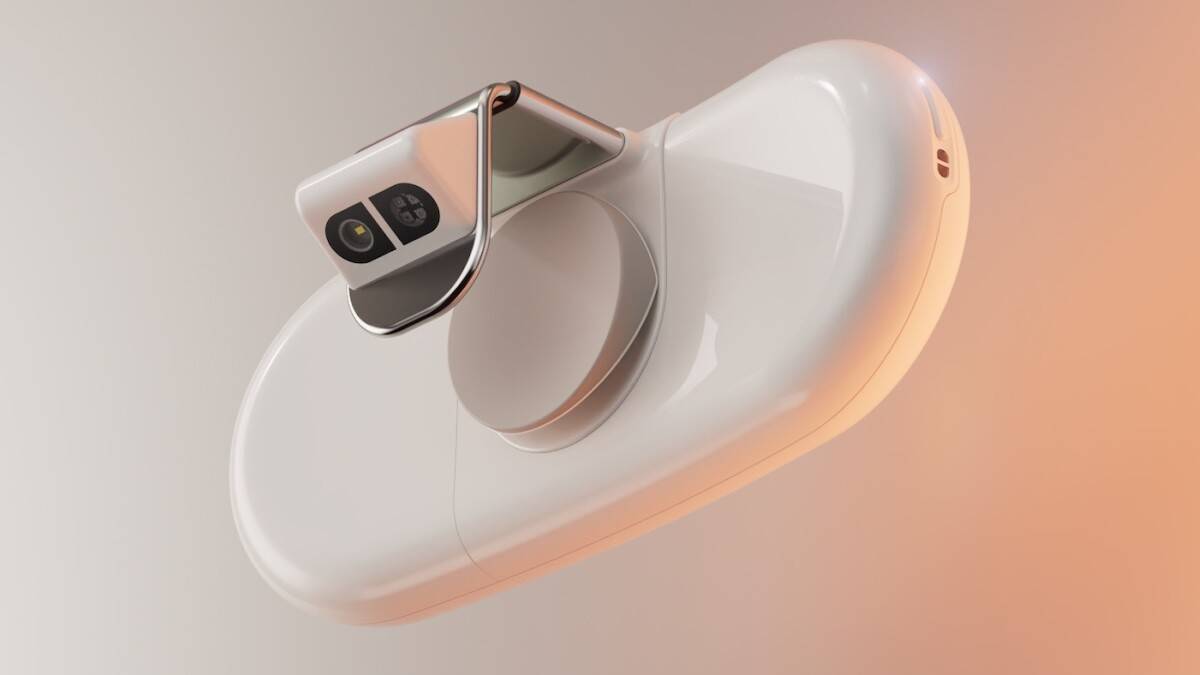
At $599, plus an annual subscription ranging from $70 to $156, the device is currently too expensive for mass adoption. Yet each new product generation generates more data, refines algorithms, and supports further research. Over time, this could pave the way for integration into public healthcare systems, initially for high-risk groups, and eventually as a standard household tool, much like blood pressure monitors today.

Add ICT&health on Google
Show more content from ICT&health in Google Search.


